

Vocal Exercises
our Gateway to Vocal
Welcome, vocal enthusiasts!
I'm Lilian López, and in this comprehensive guide, I'll help you unlock the transformative power of Vocal Exercises. Whether you're a professional singer, aspiring artist, or passionate vocal student, understanding the art of vocal preparation is crucial for your vocal health and performance.
Lilian López
Singer, Teacher, Coach.
Founder and Director.

A Guide to Unlocking Your Singing Potential
By Vocal Studio Lilian López
One of the most important aspects of developing as a singer is understanding your vocal range. Whether you’re a beginner or a seasoned performer, knowing your range is key to choosing the right songs, training effectively, and ensuring vocal health. In this article, we’ll dive into what vocal range is, how to find yours, and tips for expanding it.
What Is Vocal Range?
Your vocal range refers to the span of notes that your voice can comfortably produce, from the lowest to the highest. It’s often divided into specific categories or voice types that help singers identify where their voice fits in the musical spectrum.
The six main vocal ranges in Western music are:
Soprano (C4–C6): The highest female voice, often bright and agile.
Mezzo-Soprano (A3–A5): A rich, warm female voice with a slightly lower range.
Alto (F3–F5): The lowest female voice, with a deep, velvety tone.
Tenor (C3–C5): The highest male voice, known for its strong, resonant sound.
Baritone (F2–F4): A versatile male voice, bridging the tenor and bass ranges.
Bass (E2–E4): The lowest male voice, with a powerful, rumbling quality.
Every voice is unique, and these categories are just guidelines. Some singers can even fall between ranges, like a "tenor-baritone" or a "mezzo-soprano-alto."


Vocal Exercises For Singers
[Complete Vocal Range Workout]A Posture Song:
Maintaining proper posture is essential for singers, as it ensures that breath support remains seamlessly connected to vocal production. When the body is hunched, airflow becomes restricted, hindering vocal performance. Standing or sitting with an aligned spine, relaxed shoulders, and an open chest facilitates optimal breathing and sound quality.

A Posture Song:
🎶 Posture and Mouth Position for Healthy Singing
Maintaining proper posture is essential for singers, as it ensures that breath support remains seamlessly connected to vocal production. When the body is hunched or tense, airflow becomes restricted, directly affecting tone quality, resonance, and vocal control.
✨ Correct posture for singing includes:
🦴 An aligned spine (standing tall or sitting upright)
🤍 Relaxed shoulders, free of tension
🌬️ An open chest that allows the lungs to expand naturally
This alignment creates the physical foundation needed for efficient breathing and a free, resonant sound.
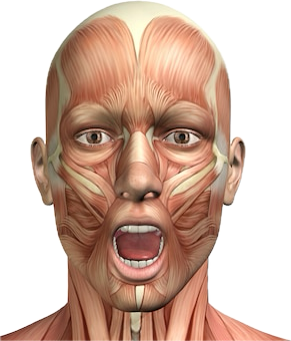
👄 Opening the Mouth Correctly for Singing
Equally important is how the singer opens the mouth while producing sound. Mouth position directly influences resonance, articulation, and vocal clarity.
🎯 To maintain an optimal mouth opening while singing, the singer should:
😌 Keep the jaw relaxed and released, never forced or tight
🪞 Allow the mouth to open vertically (as if beginning a gentle yawn), rather than spreading sideways
👅 Keep the tongue relaxed, resting naturally behind the lower teeth
🎶 Maintain space inside the mouth, creating an open vocal tract that enhances resonance
The sensation should feel comfortable and flexible, not exaggerated. A relaxed, open mouth allows the sound to travel freely and prevents unnecessary tension in the jaw, neck, and throat.
🌟 Final Tip for Singers
When posture and mouth position work together, the singer achieves:
✔️ Better breath support
✔️ Clearer vowels and diction
✔️ Fuller resonance
✔️ Healthier, more sustainable vocal production
SOPRANO
Download these MP3s to use alongside the vocal exercises from your private lesson. Practice within your comfortable range, and if an exercise goes too high, stop and try humming until it returns to a lower pitch.
MEZZO
Download these MP3s to use alongside the vocal exercises from your private lesson. Practice within your comfortable range, and if an exercise goes too high, stop and try humming until it returns to a lower pitch.
CONTRALTO
Download these MP3s to use alongside the vocal exercises from your private lesson. Practice within your comfortable range, and if an exercise goes too high, stop and try humming until it returns to a lower pitch.
TENOR
Download these MP3s to use alongside the vocal exercises from your private lesson. Practice within your comfortable range, and if an exercise goes too high, stop and try humming until it returns to a lower pitch.
BARITONE
Download these MP3s to use alongside the vocal exercises from your private lesson. Practice within your comfortable range, and if an exercise goes too high, stop and try humming until it returns to a lower pitch.