


🎤 Inclusive and Accessible Singing: Transforming Vocal Education for Blind and Visually Impaired Singers
At Vocal Studio Lilian López, inclusivity is more than a value—it is a practice, a methodology, and a commitment to ensuring that every voice can grow, express, and thrive. During my experience teaching in the Music Program at the Miami Lighthouse for the Blind, I witnessed firsthand how the singing voice becomes a powerful tool for autonomy, emotional regulation, and artistic identity in students with visual impairments and diverse neurocognitive profiles.
This article explores why inclusive vocal training is essential, what challenges exist in traditional singing education, and what pedagogical strategies can transform vocal learning for blind and visually impaired students.
🌟 The Limitation of Traditional Vocal Pedagogy
Conventional vocal instruction relies heavily on visual cues:
observing posture,
watching mouth shapes in a mirror,
reading musical scores,
following a conductor’s gestures.
For blind or low-vision singers, these practices create structural barriers that lead to incomplete participation or dependency on others. Researchers such as Ockelford (2013) and McLinden & Douglas (2014) argue that vision-based models exclude students whose sensory processing is fundamentally different.
In other words, the barrier is not in the student—it is in the method.
🎧 The Voice as a Multisensory Bridge
In classes with blind and visually impaired students, I observed that the voice becomes a multisensory instrument. Students rely on:
deep listening,
vibratory awareness,
rhythmic stability,
proprioception (awareness of the body without visual cues).
This aligns with the Ecological Approach to Sensory Learning described by Gibson (2014), where the body and auditory perception guide learning when the visual system is unavailable.
In my sessions, students located my position in the room through sound alone. My voice became:
a spatial reference point,
a tool for emotional grounding,
a guide for breathing, resonance, and stability.
🔵 When Visual Impairment Meets Neurodiversity
An increasing number of blind or visually impaired students also present autism, anxiety, sensory processing differences, or ADHD. This combination—known as dual sensory-neurocognitive diversity—requires specialized methodologies.
Studies by Robertson & Baron-Cohen (2017) and Donnellan et al. (2013) highlight that neurodivergent learners benefit from:
predictable routines,
rhythmic repetition,
emotional co-regulation,
sensory-friendly environments.
This means that accessible singing training must address both the visual impairment and the neurodivergent sensory experience.
🟣 Key Strategies for Inclusive and Accessible Vocal Training
Based on real classroom experience and supported by research, here are effective strategies:
1. Highly descriptive auditory instruction
Because students cannot “look,” they rely on verbal precision.
Examples:
“Feel the vibration in your sternum.”
“Imagine the sound spinning forward.”
“Place your breath low and wide around your ribs.”
2. Tactile biofeedback
Students use their hands to identify:
resonance points (cheeks, nose, chest),
breath expansion (lower ribs),
vocal vibration (sternum).
This method is supported by Gfeller (2000) and other music-sensory research.
3. Movement-based learning
Walking, gentle swaying, or rhythmic steps help organize the voice.
Movement allows:
better breath flow,
clearer pitch production,
regulation for autistic students.
LaGasse (2017) shows that music-movement integration supports sensory and neurological organization.
4. Rhythmic structure as emotional anchor
Repetitive rhythmic patterns help maintain focus and reduce anxiety.
This echoes Thaut (2005), who established rhythm as a regulator of motor and cognitive processing.
5. Accessible technology
audio-based exercises,
screen-reader compatible resources,
step-by-step audio instructions,
tactile or braille labeling of materials.
Zhang et al. (2025) emphasize that accessible music technology is advancing, but must be intentionally applied in singing education.
🌱 The Transformative Impact
The results observed at Miami Lighthouse were profound:
Increase in vocal clarity and resonance
More accurate intonation and rhythm
Greater independence in practice
Stronger emotional self-regulation
Enhanced confidence and self-expression
Authentic integration among students with and without disabilities
Singing became not only an artistic skill, but a vehicle for dignity, identity, and empowerment.
🟩 Why Inclusive Singing Matters
Inclusive vocal education is not optional—
it is an ethical responsibility.
When we adapt the method instead of forcing the student to adapt alone, we open doors to:
equitable artistic participation,
expanded career pathways,
lifelong musical growth,
community belonging,
and human connection.
As educators, we must commit to building methodologies that reflect the true diversity of human voices and experiences.
📚 Bibliographic Foundations (APA 7)
Booth, T., & Ainscow, M. (2016). Index for Inclusion: Developing Learning and Participation. CSIE.
Donnellan, A., Hill, D., & Leary, M. (2013). Rethinking Autism: Implications of Sensory and Movement Differences. Cambridge University Press.
Gfeller, K. (2000). Music as therapy for individuals with visual impairments. Journal of Visual Impairment & Blindness.
Gibson, J. (2014). The Ecological Approach to Education and Sensory Learning. Routledge.
LaGasse, A. (2017). Music therapy and sensory regulation in autism. Frontiers in Integrative Neuroscience.
McLinden, M., & Douglas, G. (2014). Education of Children and Young People with Visual Impairment. Springer.
Ockelford, A. (2013). Music, Sensory Development, and Disability. Oxford University Press.
Robertson, C., & Baron-Cohen, S. (2017). Sensory perception in autism. Nature Reviews Neuroscience, 18(11).
Somani, N., Beukes, E., & Lindsay, R. (2023). Music-based interventions for individuals with visual impairment. Frontiers in Psychology.
Thaut, M. (2005). Rhythm, Music, and the Brain. Routledge.
Zhang, S., Masu, R., Bettega, M., & Fan, M. (2025). Music Technology for Blind and Low-Vision People. arXiv.

15 Essential Tips for Your First Singing Concert with Vocal Studio Lilian López
🌟 15 Essential Tips for Your First Singing Concert with Vocal Studio Lilian López
📍 Concert Date: September 6 | 🏛️ Northeast Dade - Aventura Branch Library
🔗 Website: www.lilianclopez.com

🎙️ Keywords: first singing concert, how to prepare for a vocal performance, vocal studio Aventura, Lilian López singing lessons, beginner singing tips, voice training for kids and adults, vocal coaching Miami, student concert preparation
Your first singing concert is a huge milestone — it’s where all your singing lessons and vocal training come to life. At Vocal Studio Lilian López, we are here to support you every step of the way with the best guidance in Miami and Aventura for singers of all ages.
Whether you're a beginner singer, a voice student, or preparing for your first live performance, this guide will help you feel confident and stage-ready.
✅ 15 Vocal Coach-Approved Tips for Your First Singing Concert
🎶 1. Review Your Songs Daily
👉 Voice training tip: Practice daily to build vocal memory and muscle coordination.
📚 2. Know Your Lyrics by Heart
👉 Singing lesson tip: Memorization gives you freedom to express and connect with your audience.
🗓️ 3. Create a Practice Schedule
👉 Use a weekly calendar to stay consistent — key in every beginner vocal training program.
🫁 4. Practice Breathing Exercises
👉 Learn diaphragmatic breathing — essential for vocal support and tone control.
🎤 5. Warm Up Your Voice Daily
👉 Start every session with vocal warm-ups to avoid strain and improve vocal range.
👗 6. Plan Your Outfit
👉 Choose performance attire that reflects your style but allows freedom to breathe and move.
🤳 7. Record Yourself Singing
👉 A classic voice coach trick: hearing yourself helps you refine tone and pitch accuracy.
😊 8. Practice Smiling While Singing
👉 Expressing emotion is key for stage presence and audience engagement.
🪞 9. Rehearse Like It’s the Real Thing
👉 Full performance practice builds stage confidence.
🎧 10. Listen to Professional Versions
👉 Analyzing singers helps improve your musical phrasing and interpretation.
🧘 11. Visualize Your Success
👉 Mental practice is just as important as vocal practice for performance success.
🚰 12. Stay Hydrated
👉 Hydration is essential for healthy vocal cords — avoid soda and dairy!
🛌 13. Get Good Sleep
👉 Vocal rest and physical rest both support your performance readiness.
👂 14. Trust Your Training
👉 At Vocal Studio Lilian López, you’ve developed skills to sing with confidence and control.
🤗 15. Enjoy the Moment
👉 Embrace the magic. Singing is about sharing your voice and passion.
📅 Northeast Dade - Aventura Branch Library – September 6
🗣️ Voice performance | Singing for beginners | Kids vocal lessons Miami | Student music recital preparation
This concert is your moment to shine — and we’re so proud of the work you’ve done to get here! Keep these tips handy, and don’t forget to sing with heart.
💬 "The voice is the most personal instrument you can ever play. Let yours be heard." – Lilian C. López
🎭 Technical Sheet – Student Concert | Vocal Studio Lilian López
📍 North East Dade – Aventura Branch Library
🗓️ Concert Date: Friday, September 6, 2025
🕒 Concert Time: 3:00 PM
🎤 Call Time for Students: 2:00 PM (Mandatory for vocal warm-up and dress rehearsal)
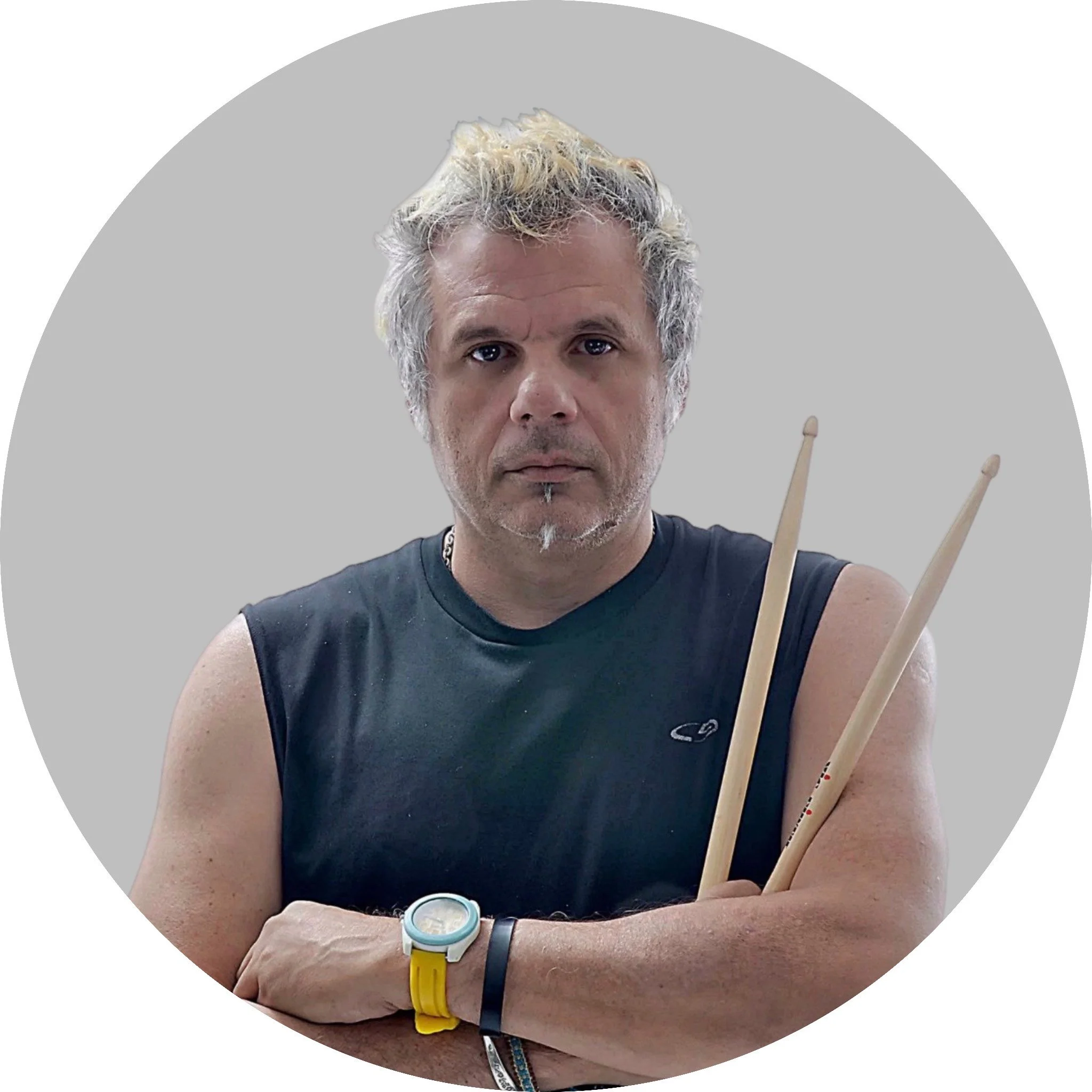
🎹 Live Band


Keyboard: Víctor Castillo
Percussion: Gerardo Ubieda
Bass & Guitar: Miguel Echevarreneta
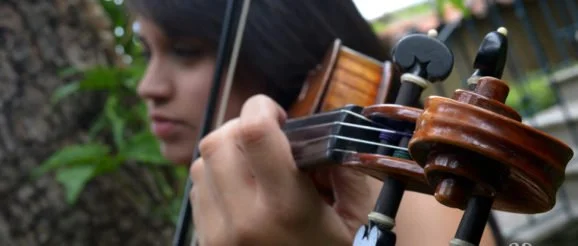
Guest Violin Soloist – Grecia Rodríguez
Grecia Rodríguez, Venezuelan violinist and pianist, teaches and performs with Miami Symphony after training under renowned masters in Caracas.
👩💼 Production Team
Producers: Elizabeth Fermín - Lilian López - Natalie Rivas
Photography & Video: Leonardo “Leo” Quintana
Host / Master of Ceremonies: Natalie Rivas
📷 Pre-Concert Activities
📸 Student Photo Session with Leo Quintana
Every student will participate in a photo shoot for promotion and concert material.
Date and location will be announced via email and WhatsApp group.
🎤 Dress Rehearsals
Rehearsal #1 (Full):
📅 Saturday before the concert
📍 Location: Will be confirmed
⏰ Time: To be announcedRehearsal #2 (On-site):
📅 Day of concert – September 6
⏰ 2:00 PM sharp
🗣️ Vocal warm-up, stage walk-through, mic check.
💸 Student Contribution
To cover costs of musicians, production, venue coordination, and video/photo services, each student will be asked to contribute a fee.
🔔 Details will be sent directly to parents/students.
🎟️ Important Notes for Students
✅ Be punctual and arrive with full performance attire and makeup/hair done.
✅ All students must participate in dress rehearsals. No exceptions.
✅ Use this experience to apply everything you’ve learned: technique, presence, and expression.
✅ Most importantly — enjoy the moment and sing from the heart!
💬 “Preparation is what transforms nervousness into confidence. We prepare not just to perform, but to enjoy the stage fully.” – Lilian C. López

Title: Can Anyone Learn to Sing?
Title: Can Anyone Learn to Sing?
At Vocal Studio Lilian Lopez, one of the most common questions we hear from new students is: "Can anyone really learn to sing?" Whether you're a complete beginner, someone who believes they are "tone-deaf," or simply someone who's never dared to try, this article is for you.
The Truth About Singing and Talent
Let’s clear up one myth right away: singing is not a mystical gift bestowed upon a lucky few. While natural aptitude can play a role, the ability to sing well is largely a skill that can be developed through consistent training, practice, and guidance.
Just like learning to play an instrument or mastering a sport, singing relies on technique, muscle coordination, breath control, and ear training. These are not innate traits — they are learned.
What Science Says
Recent studies in music education and neuroscience show that most people are fully capable of developing pitch accuracy and vocal control with practice. What some perceive as "tone-deafness" is often just a lack of training, not a permanent limitation.
Why Most People Hold Back
Fear, insecurity, and past criticism often prevent people from exploring their vocal potential. At our studio in North Miami Beach, we create a welcoming, judgment-free environment where students feel safe to explore their voices and grow with confidence.
What You Can Expect at Our Studio
At Vocal Studio Lilian Lopez, we personalize each lesson based on your current level and goals. Our method combines classical technique with modern styles, and we use proven exercises that help you:
Improve pitch accuracy
Strengthen breath support
Build vocal range and flexibility
Learn to sing confidently in public
Real Results, Real Students
Our students range from first-timers to emerging recording artists. No matter your starting point, you’ll be amazed at the progress you can make with proper guidance and commitment.
Ready to Begin?
If you've ever wondered whether you could learn to sing, the answer is a resounding YES. All you need is a passion for music and a willingness to grow.
Book your first class today at www.lilianclopez.com and take the first step toward discovering your true voice.
Vocal Studio Lilian Lopez
Empowering voices. Building confidence. One note at a time.

RECORD – Document Your Vocal Journey
🎙️ RECORD – Document Your Vocal Journey
Unlike traditional singing lessons, every session at VocalStudio Lilian López ends with a studio-quality recording of your voice. Using our in-house equipment, students receive:
🎧 A digital recording of the day’s song
🎼 A personalized vocal lesson report
🎤 The ability to track your vocal progress over time
Recording helps singers hear their growth, build self-awareness, and prepare for real-world performances.
✅ Keyword for SEO: singing lessons with recording, voice recording classes Miami, vocal development tracking
🌱 GROW – Build Skills. Build Confidence. Build Your Voice.
Our unique three-phase method—Warm-up, Repertoire, and Recording—ensures that every student leaves with:
🌬️ Strong vocal technique
🎶 Repertoire interpretation skills
🎙️ Real confidence in their sound
Whether you’re a beginner, a young aspiring artist, or an adult singer returning to music, this method nurtures your voice holistically.
✅ Keyword for SEO: singing classes for kids and adults, personalized vocal coaching, professional singing lessons Miami
📍 Join Us in North Miami Beach or Online!
Classes are available in-person at our professional studio in North Miami Beach or online from the comfort of your home. Every lesson is customized to fit your vocal goals.
📍 Location: 1400 NE Miami Gardens Dr. Suite 204, North Miami Beach, FL 33179
📧 Email: info@lilianclopez.com
📞 Call/Text: 786-872-1479
🌐 Website: www.lilianclopez.com
✨ Ready to Transform Your Voice?
📲 Register today and begin your vocal journey with the Think, Record, Grow method — only at VocalStudio Lilian López. Experience the difference of a studio where your voice matters, and your growth is recorded.
🔍 Suggested Hashtags for Social Sharing:
#ThinkRecordGrow
#VocalStudioLilianLopez
#VoiceLessonsMiami
#SingingClassesNorthMiamiBeach
#SingAndRecord
#VocalCoachingFlorida
#BuildYourVoice
#MusicEducationMiami
#SingingWithConfidence
#VoiceRecordingLessons

🎶 From Stress to Expression: How Singing Can Uplift Your Mood and Heal Your Mind
🎶 From Stress to Expression: How Singing Can Uplift Your Mood and Heal Your Mind
Published by Vocal Studio Lilian López
Have you ever felt a lump in your throat when you’re sad—or tears forming while listening to a song? That’s because the voice is deeply connected to our emotions. At Vocal Studio Lilian López, we believe singing is more than a musical practice — it’s a therapeutic tool for mental and emotional well-being. 💛
🌟 Singing: A Natural Therapy for the Soul
Science continues to affirm what singers have known for centuries: singing changes how we feel.
When we sing, our body releases endorphins (feel-good hormones) and oxytocin (the hormone linked to trust and emotional bonding). These help reduce anxiety, elevate mood, and even ease physical pain. Singing also engages the vagus nerve, which activates the parasympathetic nervous system and brings the body into a state of calm.
🎵 “To sing is to cry without tears and to smile without fear.” — Lilian López
🎤 Why Singing Helps with Sadness, Stress, and Anxiety
Singing isn’t just for performers — it’s a powerful emotional outlet for everyone. Here’s why:
Breath control brings calm: Singing requires deep, diaphragmatic breathing, which slows the heart rate and reduces anxiety.
Emotional release: Singing gives us permission to express feelings we may not be able to say with words.
Confidence boost: Hearing your voice grow stronger builds self-esteem and resilience.
Mind-body connection: Singing is a full-body activity that combines breath, voice, movement, and emotion—just like active meditation.
Social bonding: Whether in group classes or one-on-one sessions, singing creates meaningful connections.
🧠 What Science Says About Singing and Mental Health
University of Frankfurt (2004): Found that singing increases levels of immunoglobulin A, a key antibody that boosts the immune system.
Harvard Medical School (2017): Reported that singing can lower cortisol levels, helping reduce chronic stress.
British Journal of Psychiatry (2012): Demonstrated significant mood improvement in patients with mild depression after weekly choir participation.
Even short daily singing sessions can stimulate areas in the brain linked to pleasure, motivation, and emotional regulation.
💬 What Our Students Say
“I never imagined singing could help me find emotional balance. I began with anxiety—and now I sing with joy.”
— Whitney S.
“Each lesson feels like a release. It’s not just training my voice—it’s healing my heart.”
— Gabriel C.
🌐 Final Thoughts
You don’t need to be a professional singer to enjoy the healing power of your own voice. Singing is an act of self-care, self-expression, and emotional liberation. It helps you breathe deeper, feel lighter, and reconnect with your inner self.
At Vocal Studio Lilian López, we support you not only in reaching your vocal potential, but in discovering how singing can be a path to well-being and emotional strength.
Ready to transform your stress into strength through singing?
👉 Book your first class at www.lilianclopez.com and let your voice lead the way.
🏷️ SEO Keywords (for Google Search)
singing and mental health, voice lessons for stress relief, how singing helps anxiety, vocal therapy, benefits of singing, voice coach in Miami, singing classes in North Miami Beach, Lilian Lopez vocal studio, emotional healing through music, therapy through singing
📚 References & Scientific Support
Fancourt, D., & Perkins, R. (2017). Effect of singing interventions on symptoms of postnatal depression: Three-arm randomized controlled trial. British Journal of Psychiatry.
Kreutz, G. et al. (2004). Effects of choir singing or listening on secretory immunoglobulin A, cortisol, and emotional state. Journal of Behavioral Medicine.
Harvard Health Publishing (2017). The healing power of music: Singing and emotional wellness. Harvard Medical School.
📲 Hashtags for Sharing
#SingingIsHealing #VocalStudioLilianLopez #VoiceLessonsMiami #SingToFeelBetter #EmotionalWellness #VoiceTherapy #DiscoverYourVoice #MindBodySinging #MentalHealthThroughMusic #NorthMiamiBeachVoiceCoach